

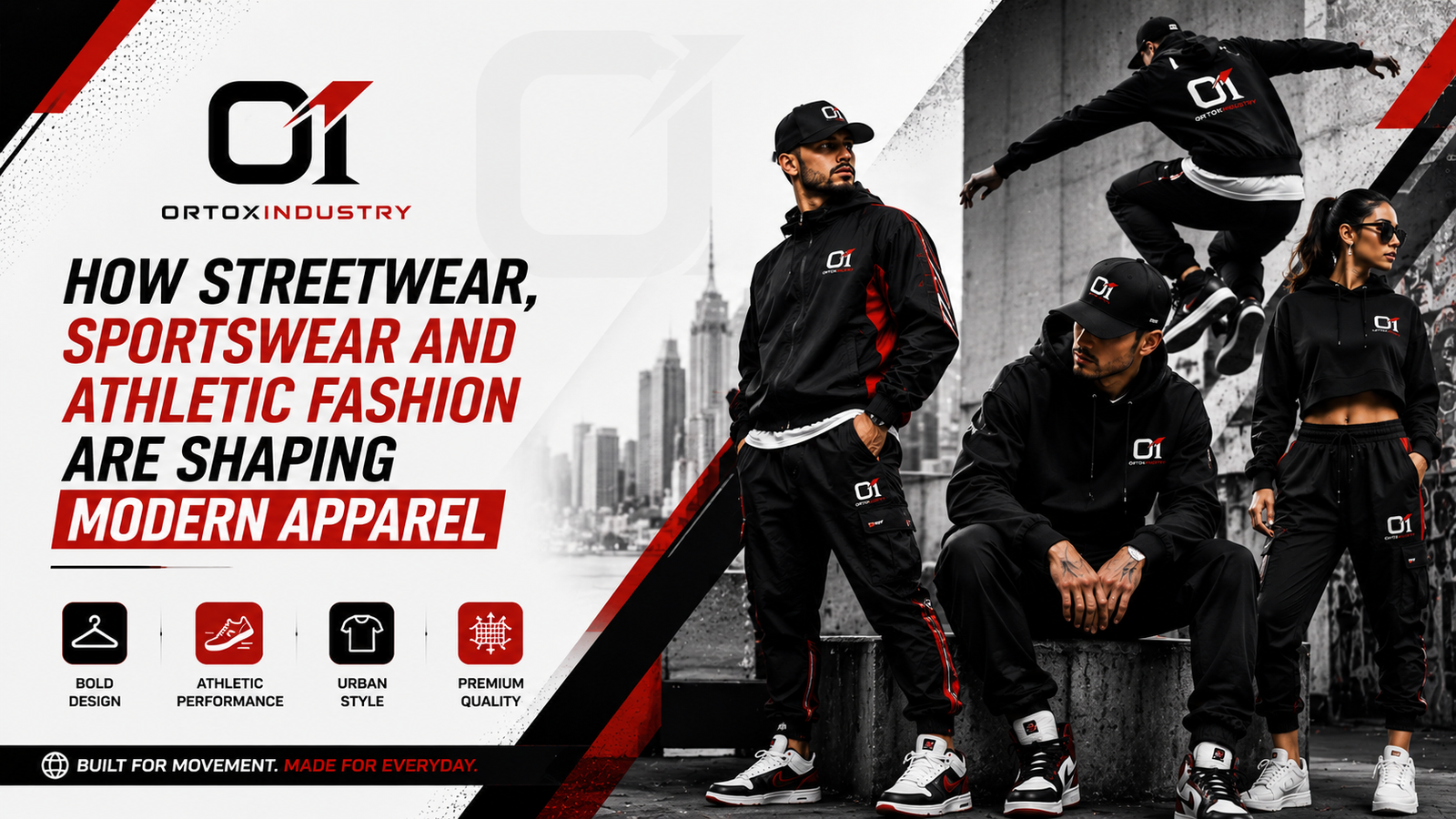
The fashion industry is constantly changing, and one of the most noticeable developments is the growing connection between streetwear, sportswear, and athletic fashion.
These categories were once viewed as separate styles. Streetwear belonged to urban culture, sportswear was associated with athletes, and fitness clothing was mainly worn during exercise.
Today, those boundaries have almost disappeared.
Modern consumers want clothing that is comfortable, fashionable, versatile, and suitable for their daily routines. This has created a powerful opportunity for brands operating at the intersection of fashion and performance.
From Sports Clothing to Lifestyle Fashion
Traditional sportswear was created primarily for athletic activities. Its main purpose was functionality.
Modern sportswear, however, has expanded far beyond sports fields and gyms.
Tracksuits, athletic T-shirts, joggers, hoodies, and sports jackets have become common parts of everyday wardrobes.
This transformation shows how strongly athletic culture influences modern fashion.
Streetwear Brings Individuality
Streetwear adds a different dimension to athletic clothing.
Rather than focusing only on performance, streetwear emphasizes personality, culture, creativity, and visual identity.
Oversized silhouettes, graphic designs, layered outfits, relaxed fits, and statement pieces are common elements of contemporary streetwear.
When combined with athletic apparel, these elements create a style that feels both comfortable and distinctive.
The Importance of Versatile Clothing
Today’s consumers have busy lifestyles. Someone might go from a morning workout to work, shopping, travelling, or meeting friends without wanting to completely change their outfit.
This has increased demand for versatile clothing.
A modern apparel collection can include pieces that work across multiple situations:
For training:
Performance tops, athletic shorts, joggers, and training jackets.
For casual wear:
Oversized T-shirts, hoodies, cargos, and relaxed-fit pants.
For lifestyle fashion:
Tracksuits, matching sets, sports-inspired jackets, and premium casual pieces.
The ability to combine these categories gives consumers greater freedom.
Why Athleisure Continues to Grow
Athleisure has helped connect fitness and fashion.
The concept is simple: athletic-inspired clothing can be stylish enough for everyday life while maintaining the comfort associated with sportswear.
This has changed how consumers think about their wardrobes.
A pair of athletic joggers is no longer limited to the gym. A sports-inspired hoodie can become a streetwear staple. A lightweight training jacket can work as a casual outer layer.
The same garment can serve multiple purposes.
Fashion and Performance Can Coexist
There was once a perception that functional clothing could not also be fashionable.
Modern apparel has challenged that idea.
Designers and brands increasingly focus on creating products where aesthetics and functionality support each other.
Good athletic fashion can feature:
- Contemporary silhouettes
- Comfortable construction
- Functional materials
- Practical details
- Modern branding
- Versatile styling
The goal is to create clothing that looks good without ignoring the needs of an active lifestyle.
What Consumers Expect Today
Modern customers are more informed about clothing than ever before. They often consider more than appearance when choosing apparel.
They may look at:
- Comfort — Does the garment feel good throughout the day?
- Fit — Does the silhouette suit their preferred style?
- Functionality — Is it suitable for an active lifestyle?
- Quality — Can it handle regular use?
- Versatility — Can it be worn in different situations?
- Design — Does it match their personal identity?
Brands that understand these expectations can create more relevant collections.
The Future of Fashion Is More Flexible
The future of apparel is likely to continue moving toward flexible categories rather than strict divisions.
A single collection can combine elements of:
Streetwear + Sportswear + Fitness + Lifestyle Fashion
This creates opportunities for brands to serve customers who don’t want to choose between looking fashionable and feeling comfortable.
The modern wardrobe is becoming more adaptable, and clothing is increasingly expected to fit different parts of everyday life.
Building a Strong Apparel Identity
For an apparel brand, combining streetwear and athletic fashion can create a distinctive market position.
Instead of focusing exclusively on traditional sportswear or traditional fashion, brands can develop collections that speak to active, fashion-conscious consumers.
The strongest collections can communicate three ideas:
Style. Comfort. Performance.
These three qualities can form the foundation of a modern athletic-fashion identity.
Conclusion
The relationship between streetwear, sportswear, fitness wear, and fashion is becoming stronger every year.
Consumers want clothing that supports their lifestyle without compromising on appearance. They want pieces that can move from the gym to the street and from training sessions to everyday activities.
This is why the combination of fashion and performance represents one of the most exciting directions in modern apparel.
For brands building the next generation of clothing, the opportunity is clear: create apparel that looks modern, feels comfortable, performs when needed, and fits naturally into everyday life.